Arctic vs Antarctic
Polar bears or penguins, sea ice or ice sheet, Arctic states or a treaty: a side-by-side guide to the two ends of the Earth.
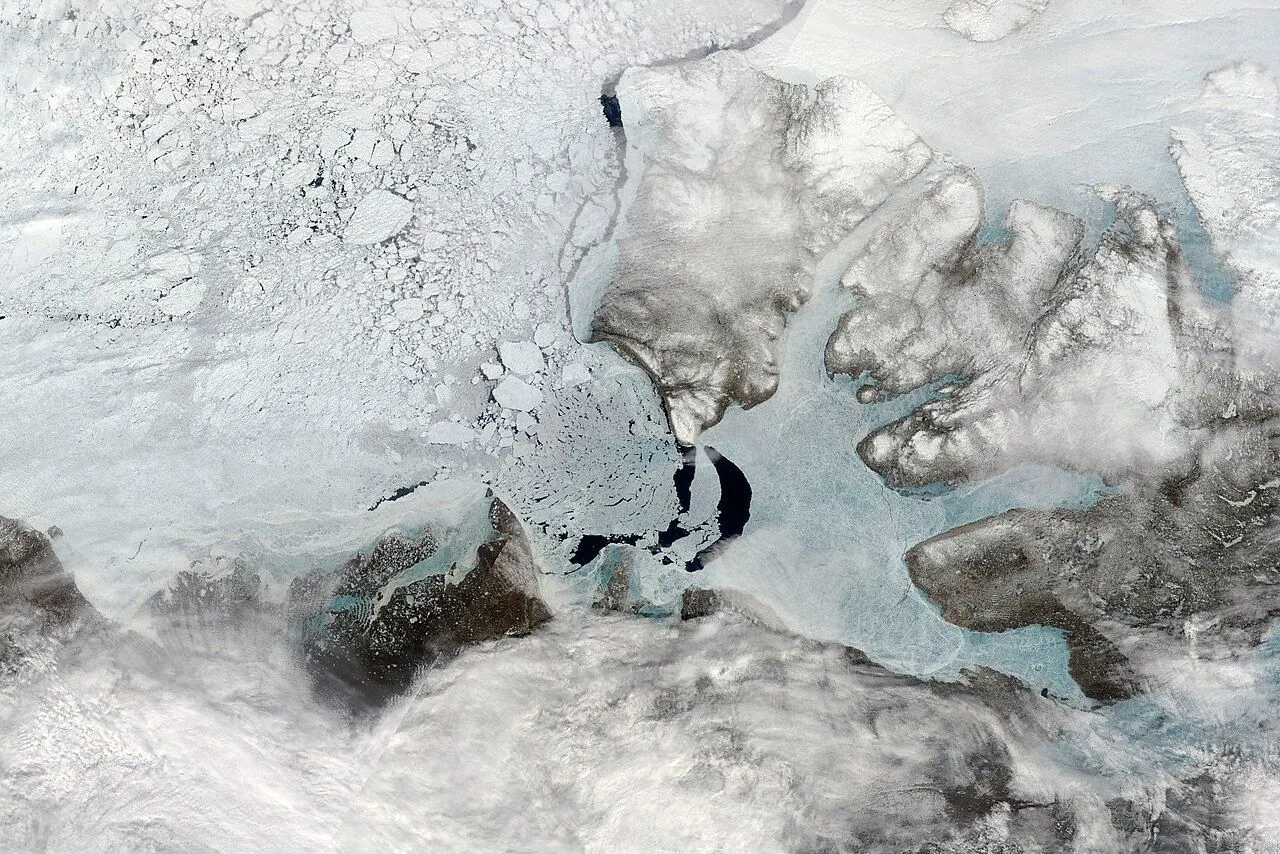
The primary distinction between the Arctic and the Antarctic is their physical geography: the Arctic is an ocean surrounded by land, while Antarctica is a continent entirely surrounded by ocean. Almost every other difference, from temperature and wildlife to who lives there and who is in charge, follows from that.
| Arctic | Antarctic | |
|---|---|---|
| What it is | Ocean, mostly covered by floating sea ice | Continent under a thick ice sheet |
| Surrounded by | Land: Greenland, northern Canada, Alaska, Russia and northern Europe | The Southern Ocean |
| Winter average at the pole | About −40°C (North Pole) | About −60°C (South Pole) |
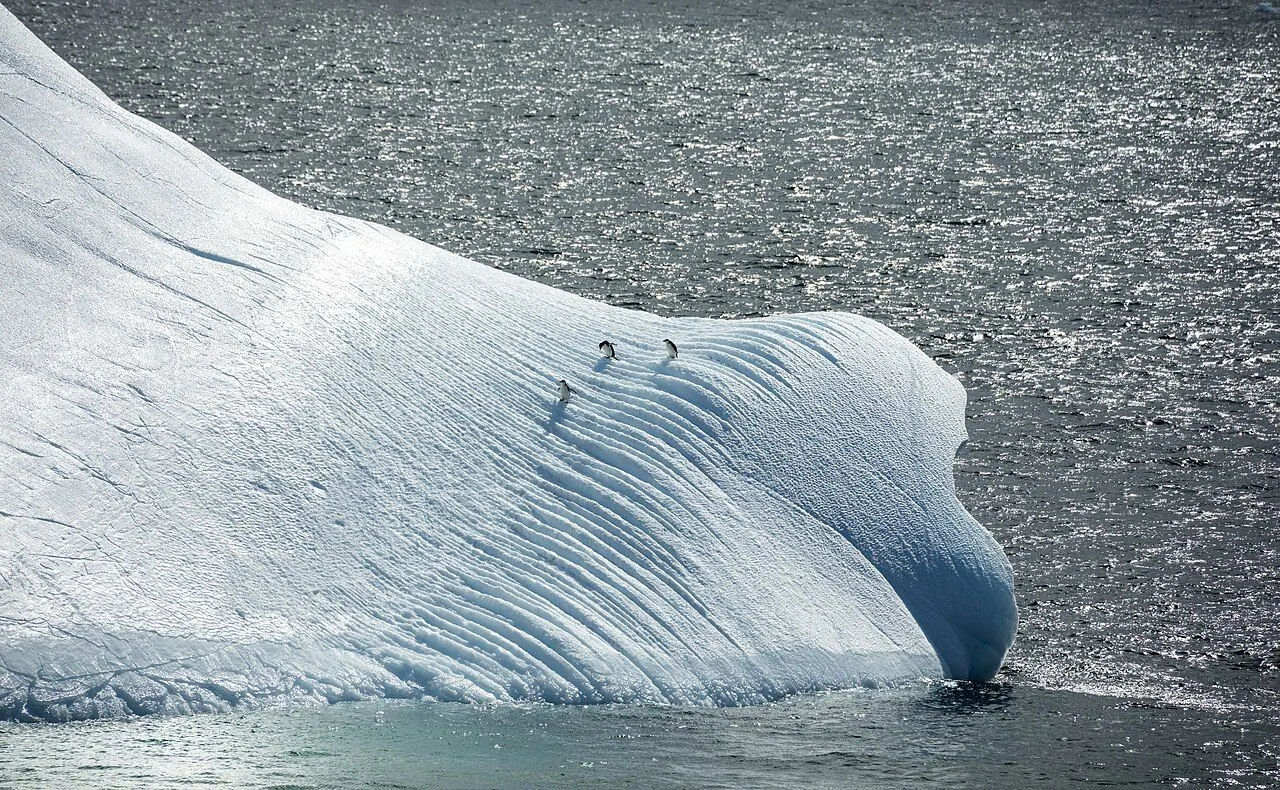
| Iconic animals | Polar bears, Arctic foxes, walruses, reindeer | Penguins, seals, whales |
| People | More than four million, including Indigenous peoples | No permanent residents; research and support staff only |
| Who governs | The eight Arctic states, each over its own territory | The Antarctic Treaty, signed in 1959 |
Why the South Pole Is Colder
The Antarctic is a true continent, the driest, windiest, coldest and iciest on Earth, while the Arctic is mostly floating pack ice rather than a solid continental ice sheet. Two things make the south colder. First, the land sits high: NOAA notes that thanks to thick ice, Antarctica's elevation averages more than a mile above sea level, and air cools with height. Second, the Arctic's ice floats on an ocean that acts as a heat store, taking the edge off the winter cold, while Antarctica is ringed by ocean, winds and weather patterns that tend to isolate it from warm air. NOAA puts the South Pole's winter average at about −60°C, against roughly −40°C at the North Pole.
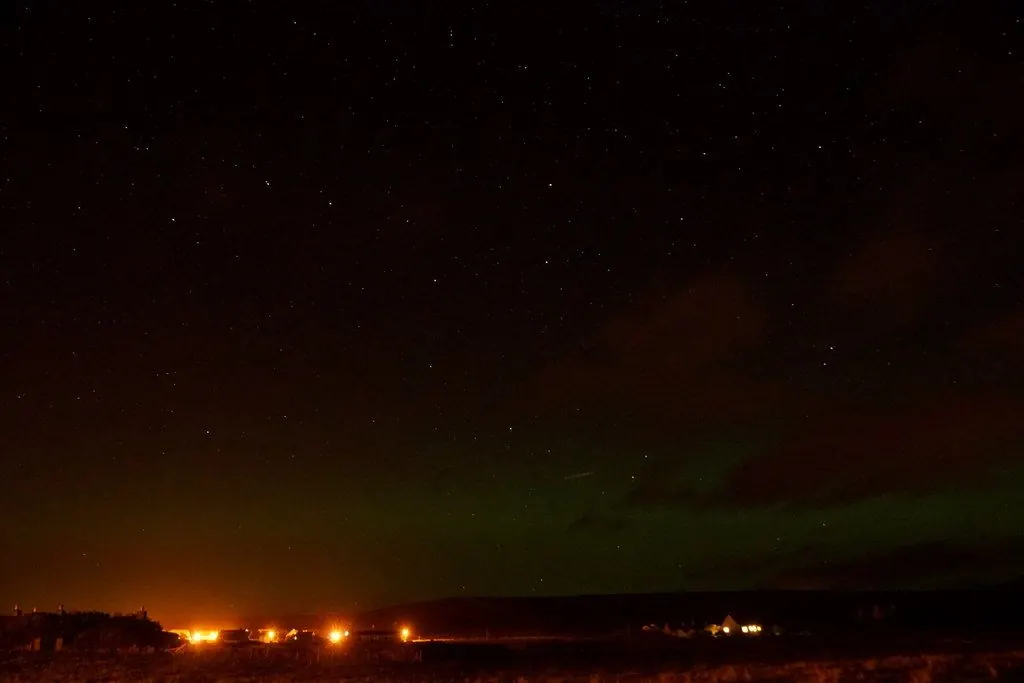
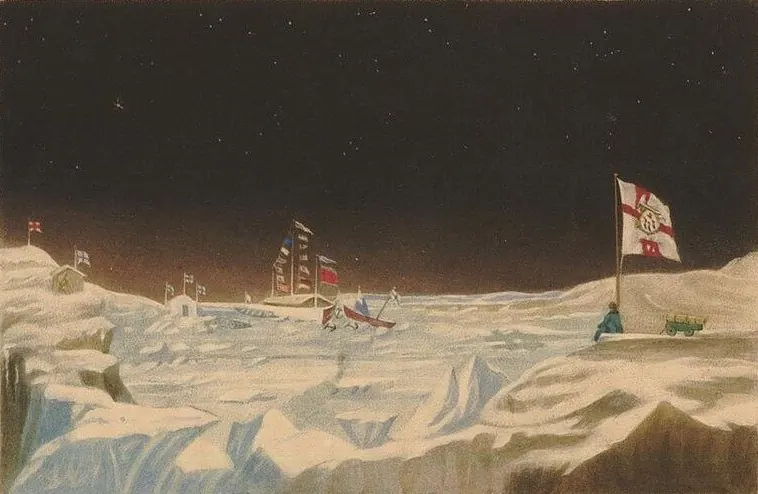
Both poles share the extremes of daylight. Because of the tilt of the Earth, each has a season of midnight sun, when the sun never sets, and a season of polar night, when it never rises. At the poles themselves each lasts about six months, and the two hemispheres swap: when the Arctic has its summer daylight, Antarctica is in darkness.
Who Lives There and Who Is in Charge
Wildlife at each pole is vastly different. Polar bears live only in the north, and wild penguins are almost entirely a southern-hemisphere bird, so the two never meet outside a zoo. People differ just as sharply. According to the Arctic Council, the northern regions of the Arctic states are home to more than four million people, about half a million of them belonging to Indigenous peoples, living in towns and villages. Antarctica has no permanent residents: its population is scientists and support staff at research stations, a few thousand in the southern summer and roughly a thousand through the winter.
Governance follows the same split. The Arctic is land and sea belonging to eight states, Canada, the Kingdom of Denmark (including Greenland), Finland, Iceland, Norway, Russia, Sweden and the United States, and there is no single Arctic treaty. The Arctic Council, set up by the Ottawa Declaration of 1996, is a forum for cooperation rather than a governing body, and it cannot enforce its recommendations. Antarctica is run under the Antarctic Treaty, signed in Washington on 1 December 1959 by twelve countries and in force since 1961. It reserves the continent for peaceful purposes and scientific research, and freezes territorial claims while it is in force. Its 1991 Protocol on Environmental Protection bans mineral resource activity other than scientific research.
How Visitors Get There
Both are a long way from the UK. Most Antarctic expedition cruises leave from Ushuaia in Argentina and cross the Drake Passage to the Antarctic Peninsula; some fly-cruises start in Punta Arenas, Chile, and fly to King George Island to join a ship. The Arctic is easier to reach: common routes from Britain run through Norway to Svalbard, through Iceland to Greenland, or into Arctic Norway, Sweden and Finland, while the Canadian Arctic is usually reached by flying north within Canada. Both involve cold-weather kit, remote logistics and seasons that shape every plan; check operators' and governments' current requirements before booking.