Bothies in Scotland Explained
Free, basic and shared by whoever turns up: how Britain's remote bothies work and the simple code that keeps them open for everyone.
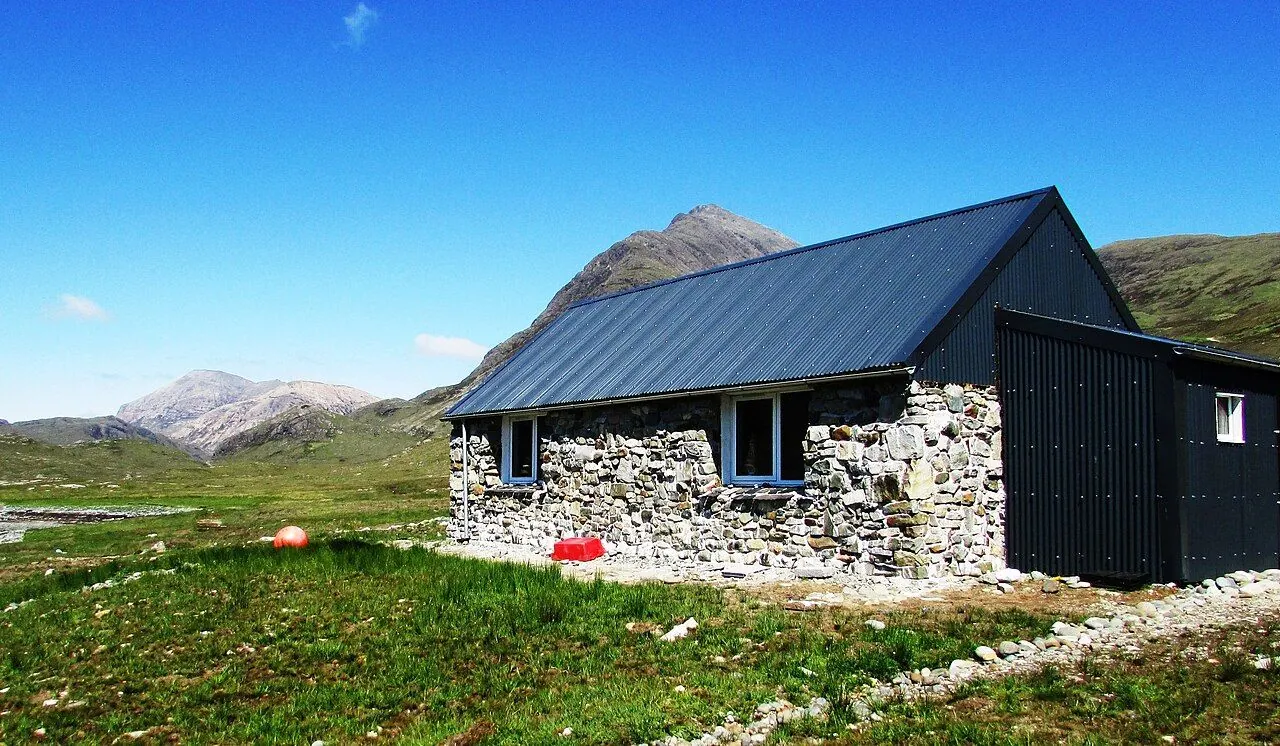
A bothy is a free, unlocked shelter in remote country that anyone can use for a short stay, but it relies on visitors sharing it and following a clear code. If visitors leave it messy or damaged, or cluttered with rubbish, a bothy rapidly ceases to be usable.
What a bothy is
A bothy is a simple shelter that is made available for everyone to use free of charge, usually an old cottage or farm building a walk of several kilometres from the nearest road. The character varies, but most are basic: typically a raised sleeping platform and often a fireplace, with no electricity, no gas and no running water. Most sit near a stream for water, which should be treated before drinking, and few have a toilet. There is never a guarantee of room or privacy, and there is no booking: whoever turns up shares the space.
Most British bothies are maintained by the Mountain Bothies Association, a charity whose volunteers look after around 100 of them, mostly in Scotland with a few in England and Wales, with the agreement of the landowners. Its website lists the bothies it maintains and publishes the Bothy Code. In Scotland, the Scottish Outdoor Access Code sets out the wider rights and responsibilities of anyone on the hill.
How the bothy code works
The Bothy Code is the set of agreements everyone follows in order to keep the shelters available and usable for everyone. It is built on respect for the bothy, for other users, for the surroundings and for the agreement with the estate that owns the building. The fundamental rules are:
- make other visitors welcome and be considerate to other users;
- leave the bothy clean and tidy, with dry kindling for the next visitors;
- take out all rubbish you can't burn, and don't bury it;
- guard against the risk of fire, and make sure the fire is out before you leave;
- if there is no toilet, bury human waste out of sight, well away from the bothy and the water supply, using the spade provided;
- never cut live wood or damage estate property, and follow any estate access restrictions, such as during the stalking season;
- close the door and windows properly when you leave.
Because of overcrowding and a lack of facilities, groups of six or more should not use a bothy without first getting permission from the owner, and bothies are not available for commercial groups. Users should not stay for long periods.
What to bring
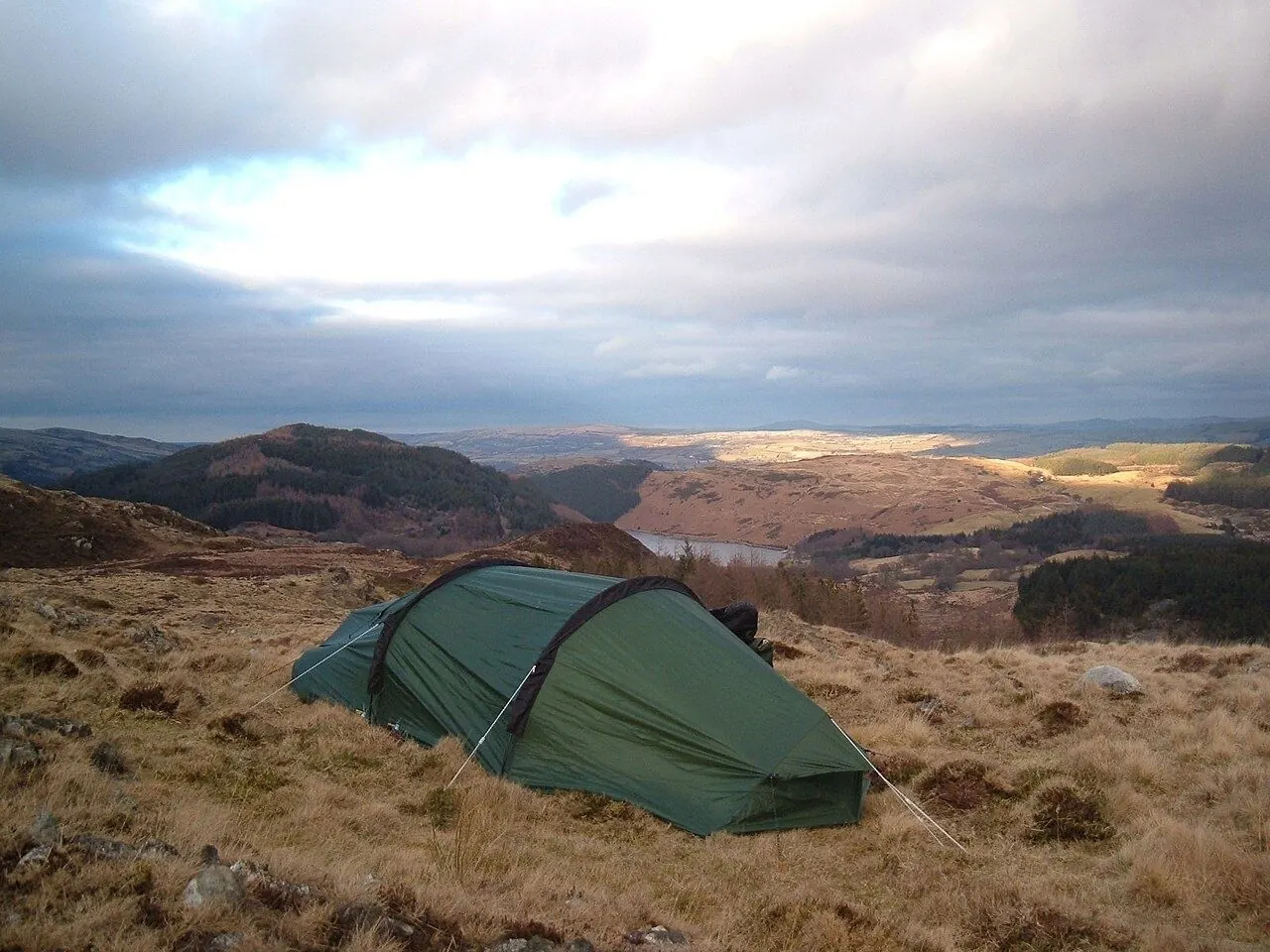
A bothy is shelter, not a serviced hostel. Carry everything you would need to be self-sufficient: sleeping bag and mat, stove, food, a headtorch and a way to treat water, plus fuel if you want a fire, since you cannot count on anything being left behind. Bothies are always open, but they can be full at busy times, so it is wise to carry a tent as a back-up. Allow plenty of time for the journey in and out, and check the map, the weather and any estate restrictions before you set off.
Following the Bothy Code is essential - if it is broken, a bothy can become unusable, and the goodwill of the estates that allow bothies on their land can be lost.