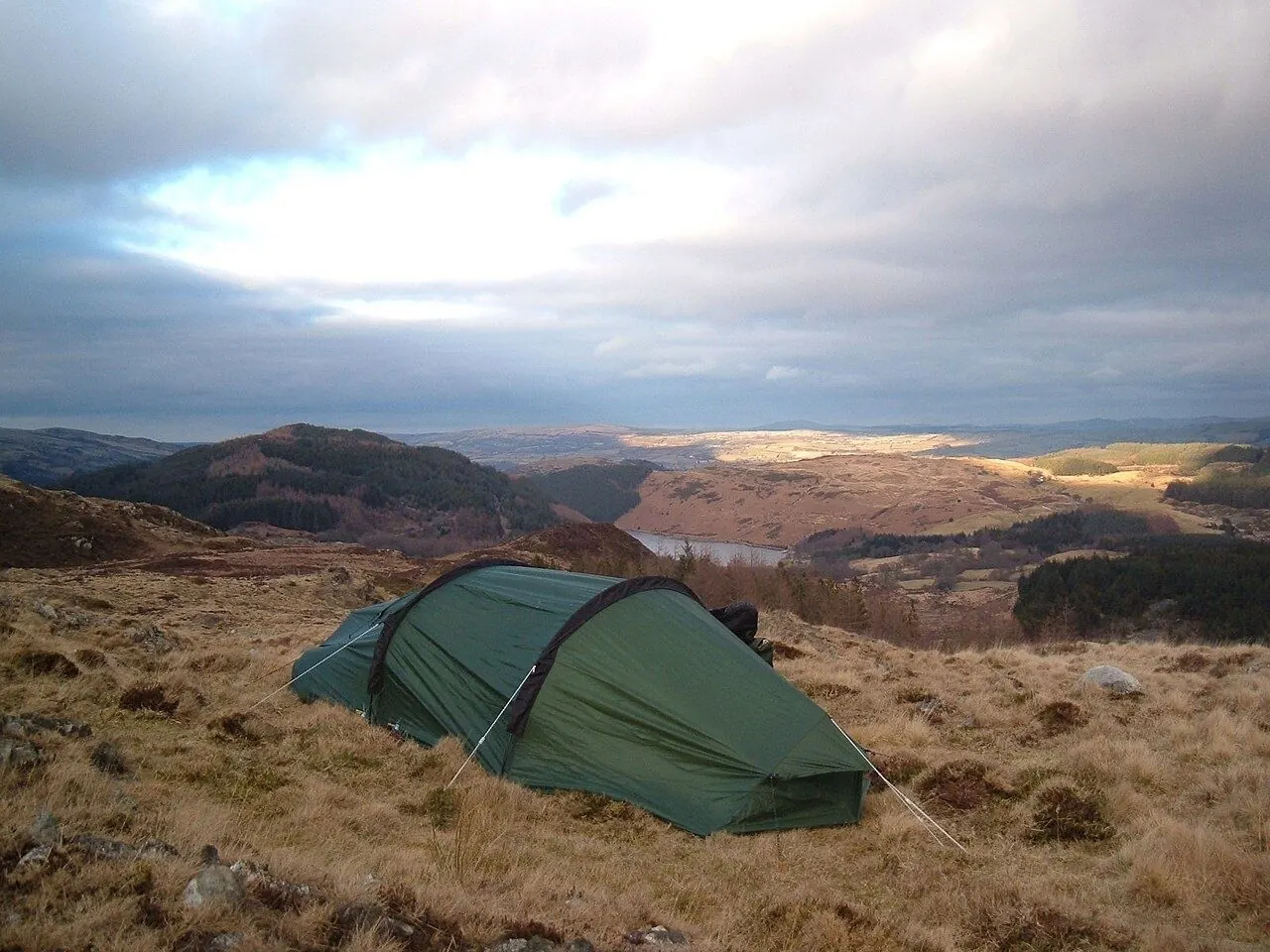
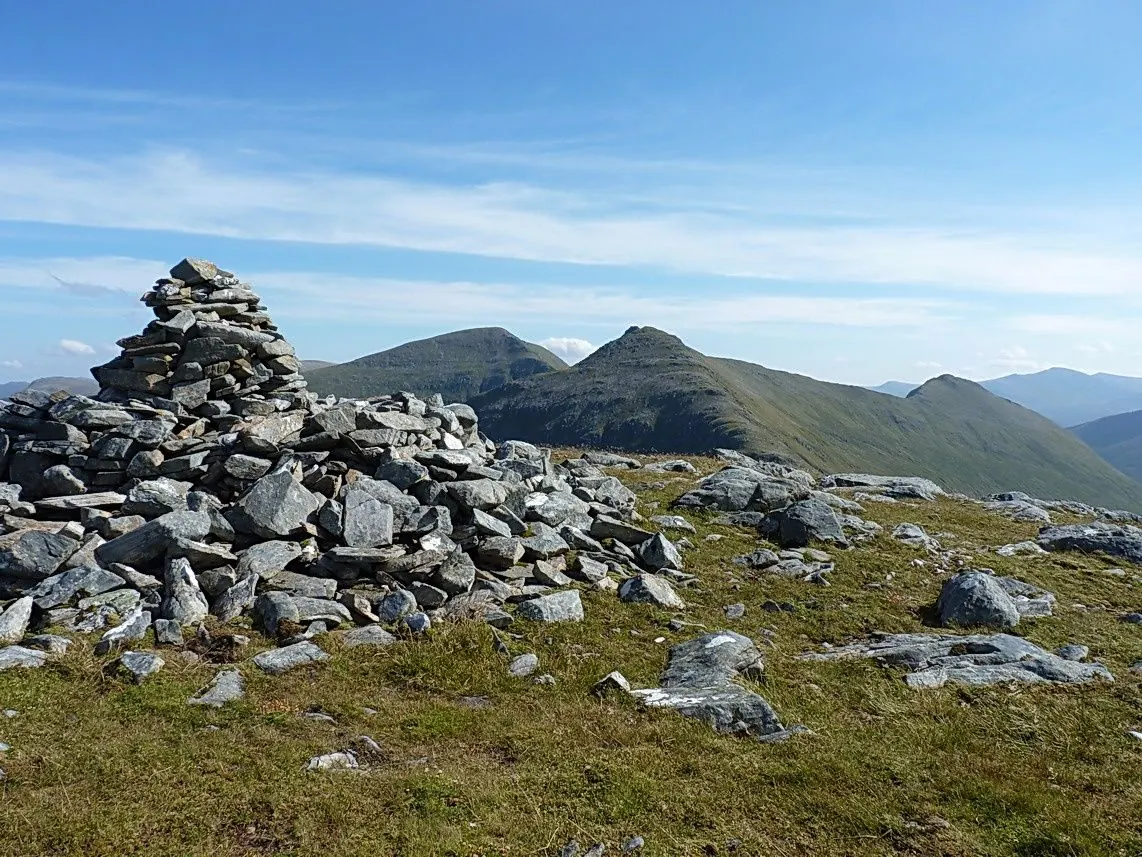
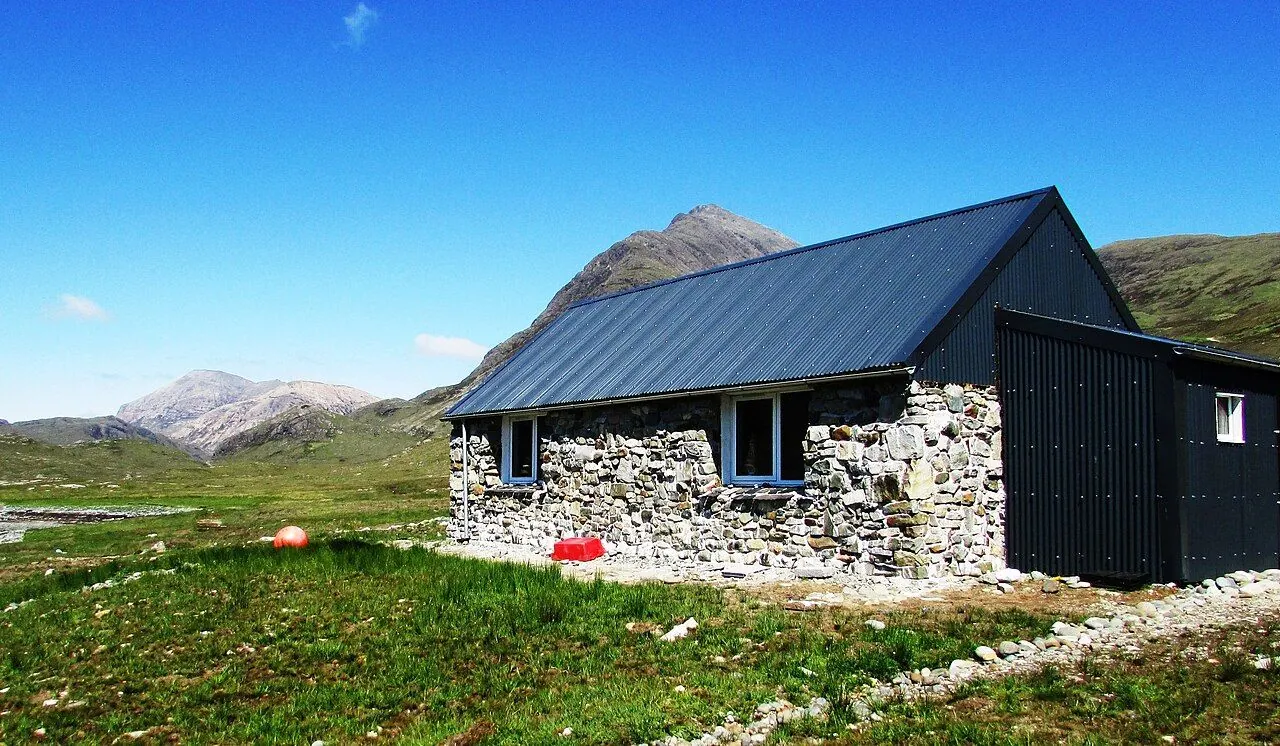
National Three Peaks Challenge
Walking times for each summit, the long drives between Scotland, England and Wales, and how to plan the challenge safely and considerately.
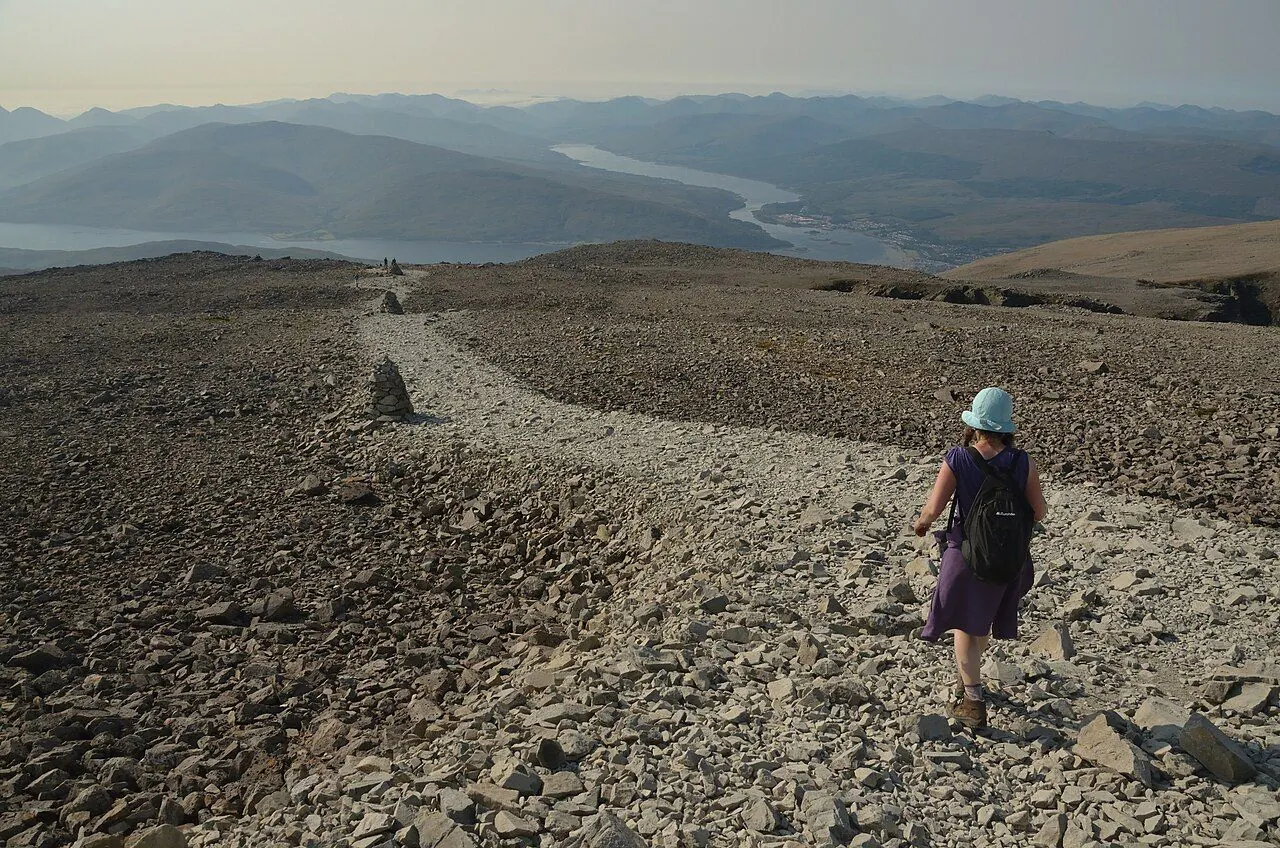
The National Three Peaks Challenge of climbing Ben Nevis, Scafell Pike and Yr Wyddfa (Snowdon) is given a 24-hour target, and the usual plan splits that into roughly 13 hours of walking and 11 hours of driving, with almost no slack for weather, traffic or tired legs.
Three mountains, three timings
That's because the trip involves three different hikes with different distances and ascents, linked by about 460 miles of road. In total the walking covers around 23 miles with roughly 3,064m of climbing.
| Mountain | Height | Usual route | Typical walking time |
|---|---|---|---|
| Ben Nevis | 1,345m | Mountain Track from Glen Nevis | about 5 hours |
| Scafell Pike | 978m | from Wasdale Head | about 4 hours |
| Yr Wyddfa (Snowdon) | 1,085m | Pyg or Miners' Track from Pen-y-Pass | about 4 hours |
Ben Nevis, the tallest mountain, is the longest and most demanding walk, which is why many teams climb it first while they are fresh. Scafell Pike is the shortest of the three but rough and rocky underfoot, and it is often climbed in the dark. Yr Wyddfa comes last, when tiredness makes a careful descent all the more important.
Why the clock matters
The overall clock does not represent the walking alone. The drive from Fort William to Wasdale takes around six hours, and from Wasdale to Pen-y-Pass around five, so the driving eats almost half the 24 hours. A common schedule starts on Ben Nevis in the late afternoon, reaches Scafell Pike in the small hours and finishes on Yr Wyddfa the next day. Any delay on the hill, a hold-up on the motorway or a slow descent in poor visibility pushes the total past 24 hours, and many teams simply finish outside it.
It means timing the Three Peaks requires treating the hikes separately: record the walking time on each mountain, then add normal driving times, with drivers who have not been walking and who take proper rests.
Planning a responsible challenge
The challenge is much more than something to peakbag on a clock. The Three Peaks Partnership asks teams to keep noise and headtorch use to a minimum when passing through villages at night, to use toilets before starting because there are none on the mountains, and to carry every scrap of waste, including food scraps and tissues, off the hill. It also suggests avoiding bank holidays, school holidays and weekends, and points out that spreading the challenge over several days eases the pressure on roads, paths and communities.
Mountain weather can change quickly, so check the Met Office mountain forecasts before each ascent, carry the right kit and turn back if conditions turn. The practical answer is that 24 hours is a planning target, not a guarantee: plan by the mountain times, add the driving, and treat weather, fatigue and the places you pass through as part of the challenge.