PLB vs Satellite Messenger
One is a government-backed distress beacon, the other a subscription texting device with an SOS button; here is how they differ when it matters.
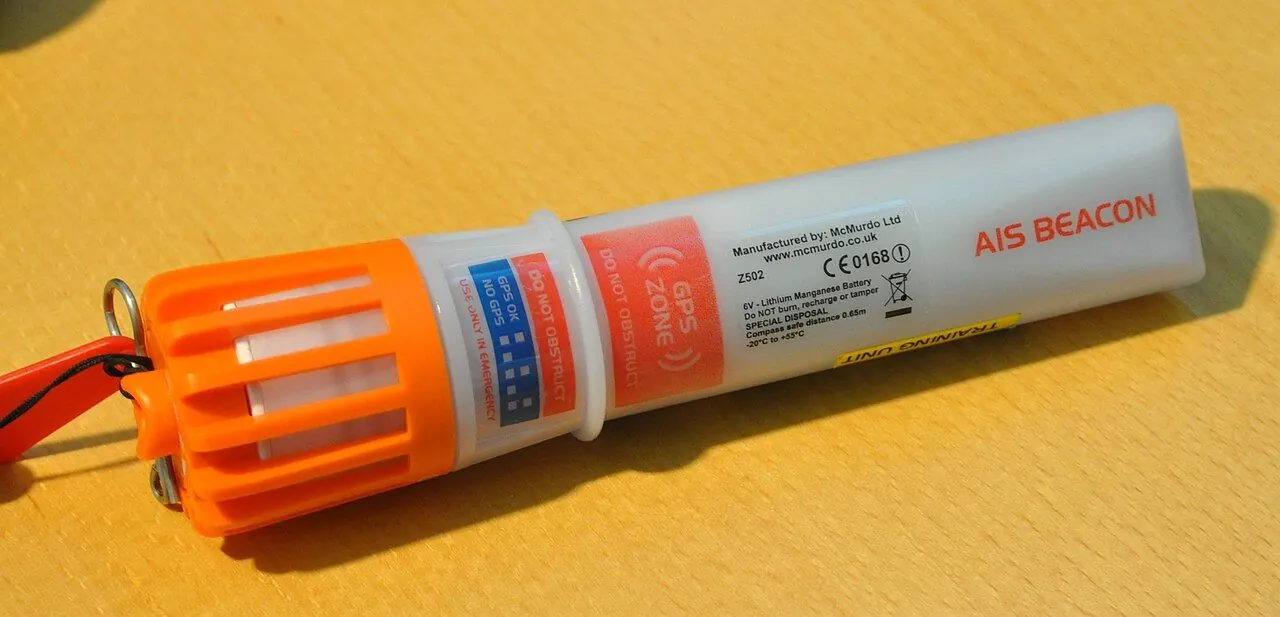
A Personal Locator Beacon (PLB) and a satellite messenger both help keep you safe in an emergency, but they work in fundamentally different ways. A PLB is a distress-only beacon that sends a 406 MHz alert through the government-run Cospas-Sarsat system with no subscription, while a satellite messenger adds two-way text messaging but depends on a paid commercial satellite service.
How a PLB works
A PLB is a small satellite distress beacon that you carry on your body in case of an emergency. It is activated by hand, and it transmits a distress alert on 406 MHz to Cospas-Sarsat search-and-rescue satellites, plus a 121.5 MHz signal that rescuers use for homing in on it. Many models also include a GPS receiver, which sends your position with the alert. The satellites relay the alert to a mission control centre and on to the right rescue authority; for UK beacons that means the UK Mission Control Centre and the Joint Rescue Coordination Centre in Fareham.
Cospas-Sarsat is an intergovernmental system, so there is no contract to keep up. The trade-off is that a PLB only does one thing: it cannot send a message, receive a reply or tell anyone what kind of trouble you are in. The RYA notes a battery life of around 24 hours once it is transmitting.
Registering your beacon for free
UK 406 MHz beacons should be registered with the UK Beacon Registry, run by the Maritime and Coastguard Agency. Registering is free, takes around 15 minutes online at gov.uk/register-406-beacons, and PLBs can be registered for any use, including on land. If a registered beacon is activated, search and rescue authorities use the emergency contacts you give to check what is happening, so keep your details up to date, and update them when you sell or pass on the beacon. At sea, registering a boat's EPIRB is compulsory, and the Maritime and Coastguard Agency strongly recommends registering PLBs used on the water too.
How a satellite messenger differs
A satellite messenger uses a commercial satellite network rather than Cospas-Sarsat, and it needs a subscription plan to work. In return you can send and receive short text messages, share your track with people at home and, in an emergency, press an SOS button that goes to a commercial emergency response centre, which then contacts the rescue services. Being able to describe the injury, the number of people and the conditions can make a rescue quicker, and being able to say "running late, all fine" can prevent an unnecessary callout.
| PLB | Satellite messenger | |
|---|---|---|
| Network | Cospas-Sarsat (government-run) | commercial satellite network |
| Ongoing cost | none; UK registration is free | subscription plan |
| Messaging | none, distress alert only | two-way text messages |
| SOS goes to | national rescue authorities | commercial response centre, then rescue services |
| Battery | around 24 hours of transmission | rechargeable, depends on use |
Which is best depends on what matters most to you. For a walker, sailor or paddler who wants the simplest possible last-resort alert, a registered PLB is hard to beat: nothing to renew, nothing to charge, and a direct line into the official rescue system. For someone who wants to keep in touch, send check-ins or explain an emergency, a satellite messenger does more, as long as the subscription is active and the battery is charged.
Whichever you carry, keep it where you can reach it, learn how to activate it before you need it, and remember it supplements rather than replaces a charged phone, a map and the ability to call 999 or 112.