Layering for Cold Weather
Base, mid and shell each do a different job; get them right and adjust as you go, and a cold wet day in the hills stays comfortable.
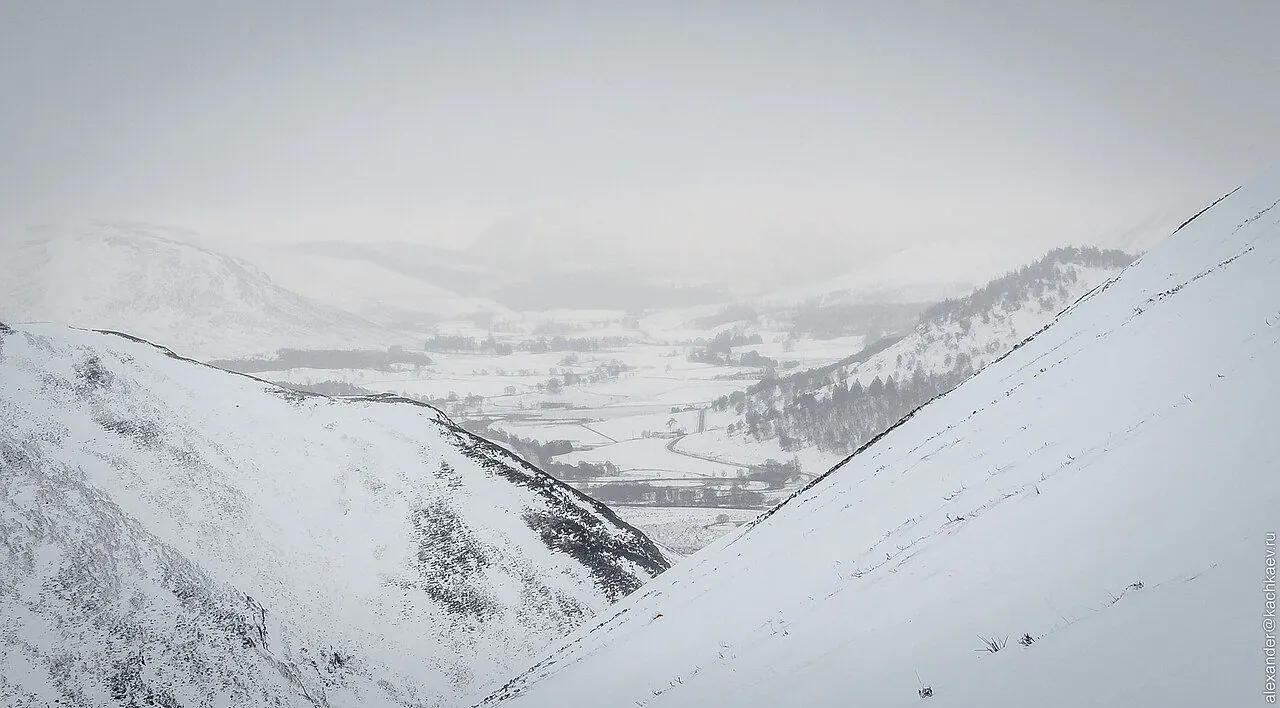
Layering clothing for cold weather works because each layer has a specific job: move sweat off the skin, hold in warm air, and block out wind and rain. According to the Met Office, several thin layers of clothing will keep you warmer than one thick layer, because the layers trap warm air.
Base layer: keep sweat off the skin
The base layer's job is to wick moisture away from your skin. A base layer made of synthetics or merino wool will pull sweat off your body and spread it across the material, where it evaporates more quickly. That stops damp fabric sitting against your skin and chilling you once you stop moving.
Base layers are usually lightweight long-sleeved tops and leggings with a close but comfortable fit. Avoid cotton: Mountaineering Scotland warns that it soaks up sweat or rain and holds onto it, chilling your body and stopping your warm layers from working properly, which makes it a poor choice for winter walking.
Mid layer and shell: warmth and weather
A mid layer holds warm air close to your body. Fleece, wool, synthetic insulation and down are the main choices, and each works by trapping air between its fibres.
| Mid layer | Strengths | Weakness |
|---|---|---|
| Fleece | cheap, breathable, keeps much of its warmth when damp | bulky, lets wind through |
| Synthetic insulation | keeps its insulation when wet, packs small | less warm for its weight than down |
| Down | warmest for its weight, compresses tight | loses almost all its warmth when wet |
In Britain's damp hills, fleece or synthetic insulation is usually the safer choice, and down is best kept for cold, dry conditions or for wearing under a shell at rest. The trick is to put only as much insulation on as you need: once you're warm, extra layers simply make you sweat, and that moisture soaks back into your clothing.
The outer shell blocks the wind and keeps rain out. A shell jacket and overtrousers should be waterproof and windproof, but also breathable. When you move, your body generates moisture, and that needs an escape route, so choose a shell that can be vented through zips and pockets as well as keeping the weather out.
Extremities and adjusting on the move
Hands, feet and head get cold quickly in wind and wet, so pack a warm hat, insulated gloves and a spare pair, since wet gloves quickly become useless, plus warm socks and waterproof boots. A hood that fits over a hat gives extra protection in driving rain or snow.
Layering is not just about putting on lots of clothing and hoping for the best. Take off an insulating layer as soon as you start to sweat on a climb, and put your shell on at the first sign of wind or rain, rather than waiting until you are already wet or cold. At stops, add a warm layer straight away, before you lose the heat you built up walking.
The key parts of layering for a winter walk are simple: wear several thin layers, keep cotton off your skin, carry a spare warm layer and dry gloves, and keep adjusting for sweat and the conditions.