Munros, Corbetts and Wainwrights
How Britain's best-known hill lists are defined, who keeps them, and why one summit can count for several lists or for none at all.
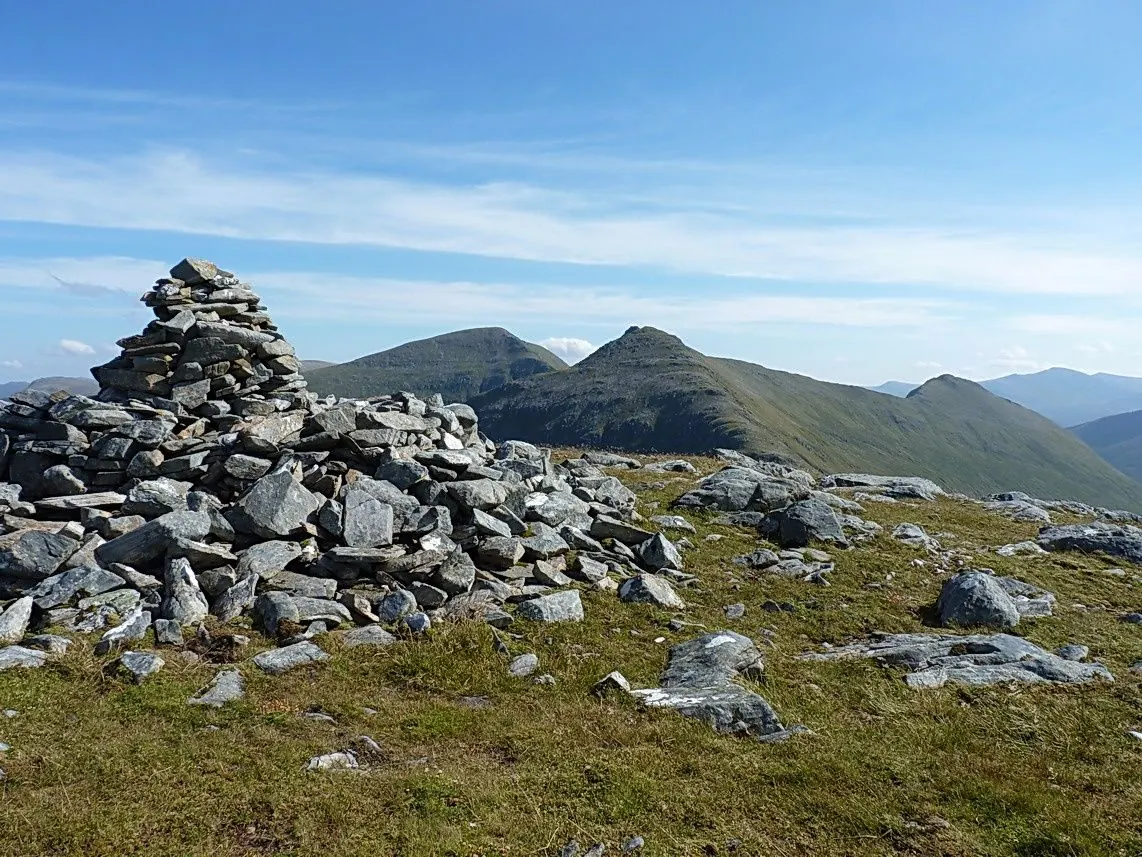
Munros, Corbetts and Wainwrights are not interchangeable terms: Munros and Corbetts are Scottish hills sorted by height and drop, while the Wainwrights are simply the 214 Lake District fells that one guidebook author chose to describe.
The Scottish lists
The most famous of these, the Munros, are Scottish mountains over 3,000 feet (914.4m). There are 282 in total and they appear on the official list maintained by the Scottish Mountaineering Club, which also keeps the Corbett, Graham and Donald lists. Finishing a whole list is known among hillwalkers as "compleating" it.
But the Munros are just one of several Scottish hill lists. Corbetts are Scottish hills between 2,500 and 3,000 feet with a drop of at least 500 feet on all sides, and there are 222 of them. Grahams are Scottish hills from 2,000 to 2,500 feet with a drop of at least 150 metres; there are 231. The Donalds are another Scottish list, of hills over 2,000 feet in the Scottish Lowlands: 89 Donald hills plus a further 51 subsidiary tops.
| List | Where | Height | Drop required | Number |
|---|---|---|---|---|
| Munros | Scotland | over 3,000 ft | none fixed | 282 |
| Corbetts | Scotland | 2,500–3,000 ft | 500 ft | 222 |
| Grahams | Scotland | 2,000–2,500 ft | 150 m | 231 |
| Donalds | Scottish Lowlands | over 2,000 ft | no single figure | 89 hills |
| Wainwrights | Lake District | none | none | 214 |
| Hewitts | England, Wales, Ireland | over 2,000 ft | 30 m | 525 |
The Lake District exception
The Wainwrights are an interesting exception. They refer to the 214 fells described in Alfred Wainwright's seven-volume Pictorial Guide to the Lakeland Fells. Those books are what brought Wainwright's name into hillwalking lore, but his list doesn't use a specific height threshold like the other lists.
That means a Wainwright doesn't have to be exceptionally tall - the lowest, Castle Crag, is only 290 metres (951 feet). Instead, Wainwright's name has come to denote any Lake District fell that has its own chapter in his books.
Lists by prominence
Marilyns ignore height altogether. They are hills in Great Britain, Ireland and the Isle of Man with a drop of at least 150 metres on all sides, no matter how tall they are; the name, a play on "Munro", was introduced in the 1992 book The Relative Hills of Britain. Hewitts combine both rules: "Hewitt" stands for Hill in England, Wales or Ireland over Two Thousand feet, and each needs a drop of at least 30 metres all round.
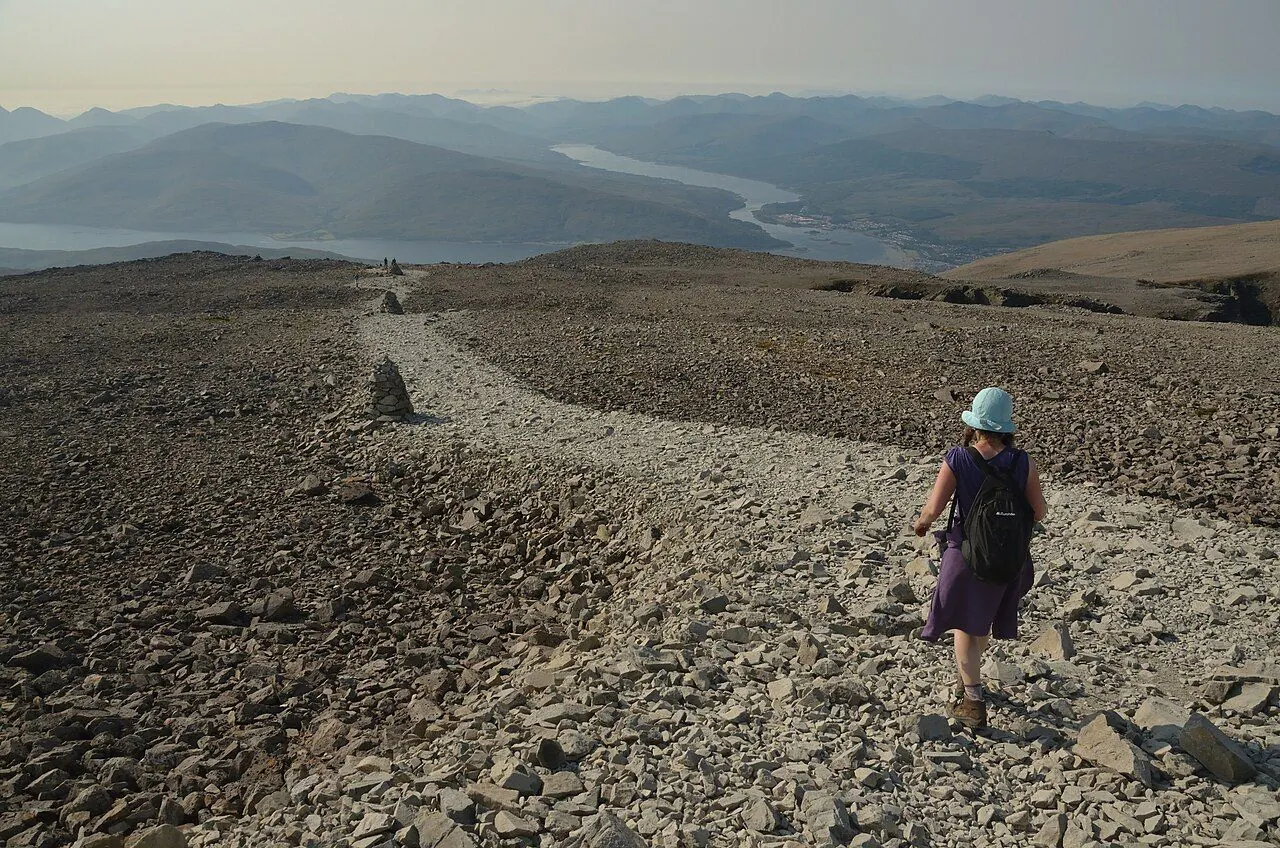
Perhaps the biggest practical takeaway for walkers is that one hill can belong to several of these lists, or to none of them. Ben Nevis, the UK's highest peak at 1,345m, counts as both a Munro and a Marilyn, while a small Lake District crag can be a Wainwright without qualifying for any height-based list. That's why, when choosing a walking route, it's important to check which rule the guidebook or local website is using before assuming one summit counts for another.