Sir John Ross's Victory
A private steamer, a gin distiller's money and four winters on Boothia: how Ross's crew lost their ship yet came home with a new map.
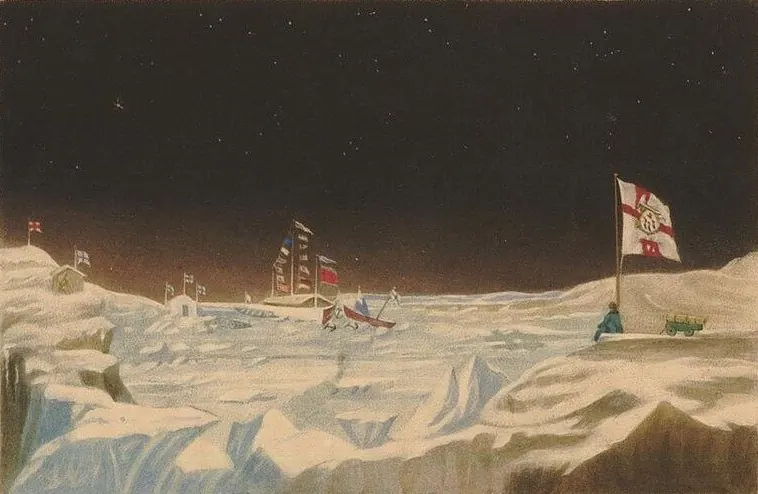
In May 1829 the paddle steamer Victory sailed from London under John Ross, hoping to push through the Northwest Passage. The voyage became a four-winter Arctic ordeal: the ship never escaped the ice, but the expedition mapped the Boothia Peninsula, located the North Magnetic Pole and brought almost all of its men home.
A private expedition and its backer
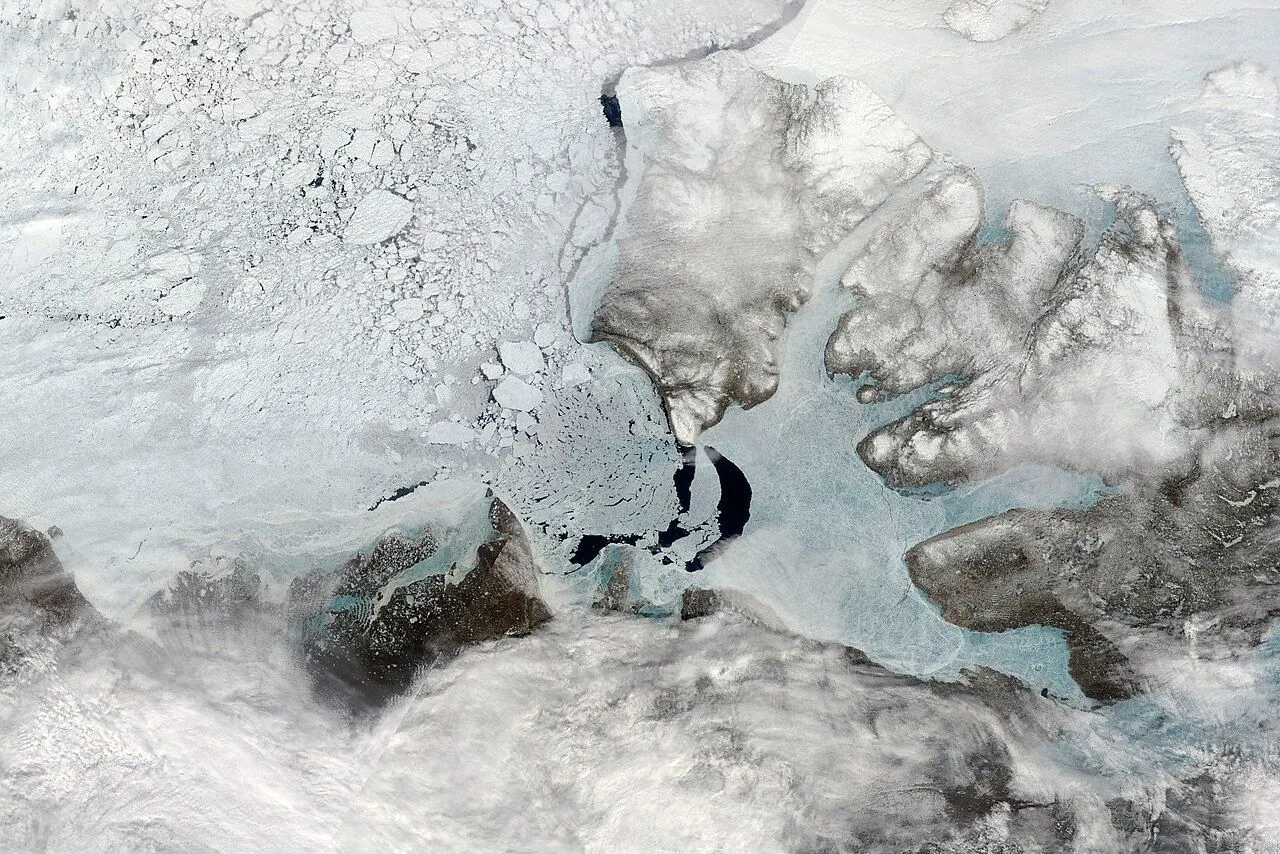
The 1829 voyage was Ross's second Arctic expedition in search of the Northwest Passage. On his first, in 1818, his Isabella and Alexander had sailed into Lancaster Sound, but Ross turned back, convinced that a range he named Croker's Mountains closed it off. With no Admiralty backing this time, the London gin distiller Felix Booth financed the voyage. In return, Ross named the land his crew encountered "Boothia Felix" and their first winter anchorage Felix Harbour. Boothia Peninsula lies in what is now Nunavut, in northern Canada.
The Victory was a small Liverpool packet steamer, reinforced for the ice and fitted with new high-pressure engines by Braithwaite and Ericsson. Her paddles were meant to give her a fighting chance in the ice when the wind failed. They did not: the machinery gave constant trouble, and Ross had it removed and left on shore during the first winter. After entering Lancaster Sound on 6 August 1829, the ship worked south, and at the end of September 1829 she was stopped by ice and forced into winter quarters at Felix Harbour, on the east coast of Boothia.
Four winters in the ice
Each summer the crew waited for the ice to release the Victory, and each summer it held her. Inuit who took up residence near the vessel helped the expedition through those years, and with their help parties explored the country to the west and north, clarifying the geography of Boothia and King William Island.
On 1 June 1831 James Clark Ross, the commander's nephew and second-in-command, located the North Magnetic Pole on the west coast of the Boothia Peninsula.
When it became clear that the Victory would remain imprisoned for the winter of 1831-32, Ross decided to abandon ship the following spring. In 1832 he led his men north on foot to Fury Beach, where stores and boats left by William Edward Parry's wrecked Fury in 1825 were still to be found. A first attempt to escape by boat was blocked by ice in Lancaster Sound, and the party spent a fourth winter back at Fury Beach in a hut of canvas and snow they called Somerset House.
Escape and return
On 14 August 1833 a lane of water opened, and the men set out again in the boats. On 26 August, a few miles west of Navy Board Inlet in Lancaster Sound, they sighted a sail: the whaler Isabella of Hull, the same ship Ross had commanded in 1818. The party reached Stromness on 12 October 1833. Three men had died during the four years, and one had lost his sight. Ross, long given up for dead, returned to a hero's welcome, was awarded £5,000 and was knighted in December 1834.
The Victory never forced the Northwest Passage, and her steam machinery proved a failure in the ice. Yet the expedition put Boothia, Felix Harbour and King William Island on the chart, and fixed the position of the North Magnetic Pole, and its men survived four Arctic winters, thanks in no small part to the Inuit who lived alongside the ship.