Franklin Expedition Explained
In 1845 two Royal Navy ships sailed for the Northwest Passage and never came home; this is what the evidence now tells us.
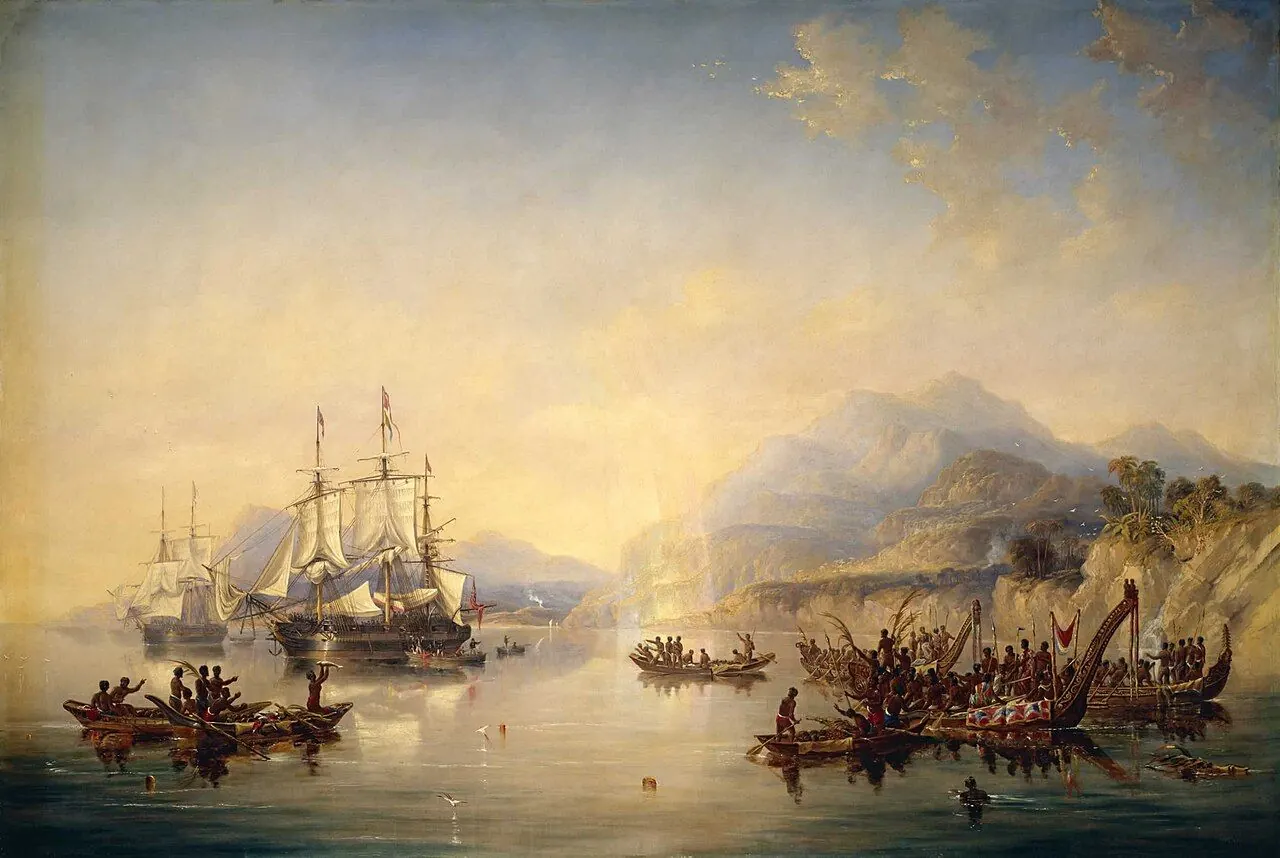
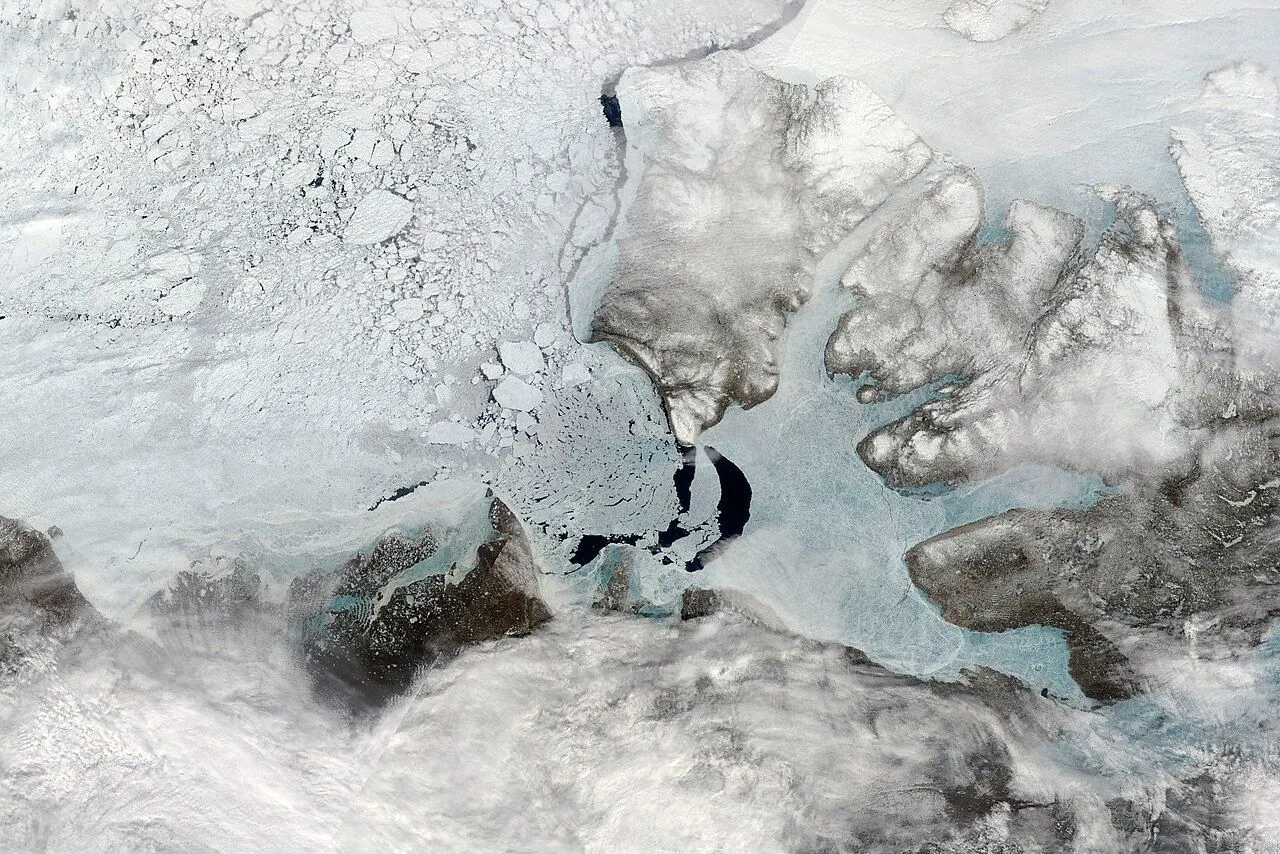
Sir John Franklin's 1845 expedition to find the Northwest Passage ended with both ships trapped in the ice off King William Island and all 129 men dead, most of them on a desperate march south in 1848. Royal Museums Greenwich calls it the worst disaster in the history of British polar exploration, and the full story is still being pieced together.
From Greenhithe to the Ice
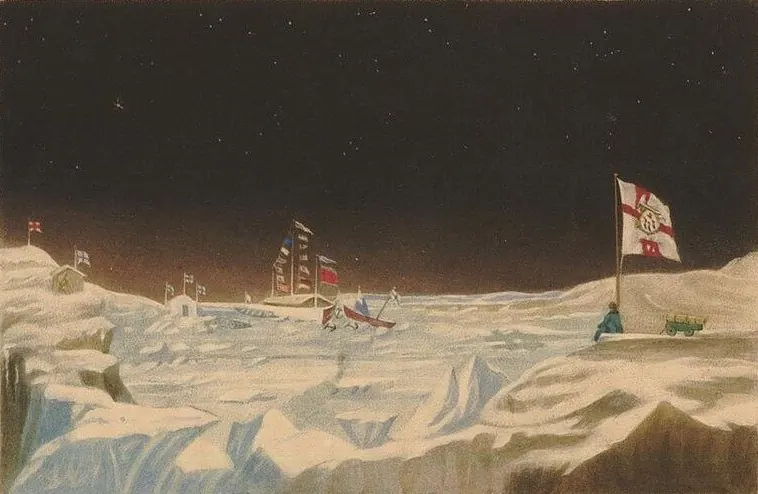
HMS Erebus and HMS Terror left Greenhithe in Kent on 19 May 1845, with orders to chart the last unknown stretch of the Northwest Passage. They spent their first winter at Beechey Island, where three crew members were buried, and in the summer of 1846 sailed south towards King William Island. There, on 12 September 1846, the ships were beset in the ice, and they never came free.
The Note That Changed the Story
Most of what is known comes from a single sheet of paper. In 1859 a search party from Francis Leopold McClintock's expedition found a message in a cairn near Victory Point, on the north-west coast of King William Island. The first entry, written in May 1847, reported that Franklin was in command and all was well. An addition scrawled round the margin in April 1848 told a very different story. According to the Canadian Museum of History, it recorded that Franklin had died on 11 June 1847 and that nine officers and 15 men were dead. The ships had been deserted on 22 April 1848, and 105 survivors under Captain Francis Crozier would set out the next day for Back's Fish River on the mainland.
None of them reached safety. The first clues had come even before the note was found: in 1854 the Arctic surveyor John Rae brought back Inuit accounts that the men had perished somewhere west of the Back River, and that some had resorted to cannibalism. Inuit also told McClintock's party that the white men fell down and died as they walked. Remains, boats and relics found along the west and south coasts of King William Island in the decades since have confirmed the broad outline of those accounts.
Why They Died
No single cause explains the disaster. Scurvy and starvation clearly weakened the men after three winters in the ice, and cut marks on bones found on King William Island support the Inuit reports of cannibalism. Forensic studies in the 1980s of the three men buried on Beechey Island found high levels of lead, leading to the theory that solder in the expedition's tinned food or its water system poisoned the crews. Royal Museums Greenwich notes that the lead theory remains debated rather than proven, and later research has questioned how much it mattered.
The ships themselves were found only in the 21st century. A Parks Canada-led search located HMS Erebus in September 2014 in Wilmot and Crampton Bay, south of King William Island, and HMS Terror was found in September 2016 in Terror Bay, on the island's south-west coast. Parks Canada credits Inuit oral history and knowledge as central to both discoveries. The wrecks now form a national historic site in Nunavut, the first to be jointly managed by Inuit and Parks Canada, and it is not open to visitors. Divers have since recovered hundreds of artefacts, and the work goes on; exactly how and where each of the 129 men died remains one of the great open questions of polar history.