Kitesurfing Lessons for Beginners
From flying a trainer kite on the beach to riding upwind, the stages every beginner goes through and how long each usually takes.
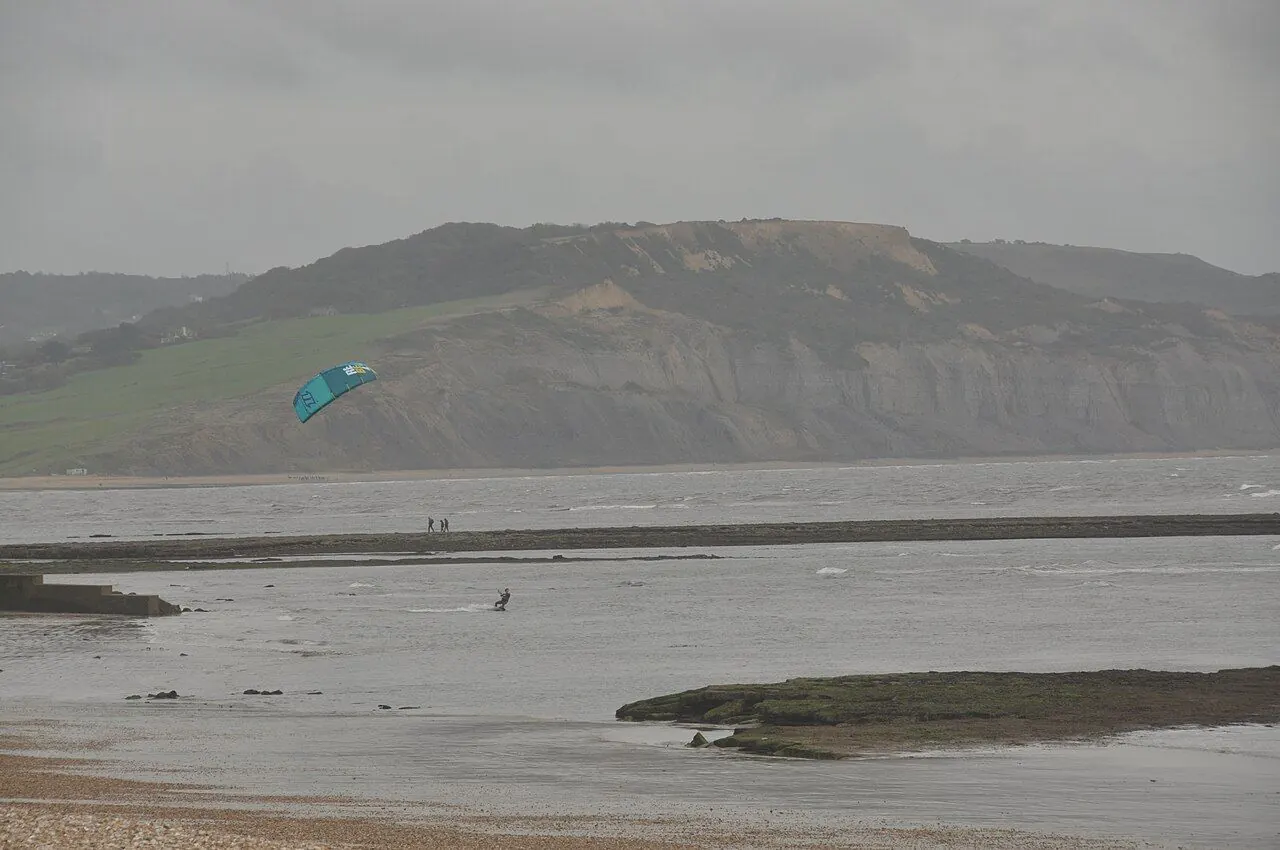
Most beginners need somewhere between 6 and 12 hours of lessons to ride a board on their own, which in the UK usually means a three-day course: the British Kitesports Association (BKSA) says most people can be up and riding after a 3 day course at an approved school. Because every lesson depends on the wind, plan on more days in your diary than days of teaching.
The stages of a beginner course
The answer is seldom a fixed number of days. Schools commonly break the learning into four stages: kite control, body-dragging, the water start, and then riding and working upwind. The BKSA splits the beginner scheme into two levels, each taking one to two days.
The first stage is simply learning to control the kite, usually starting with a small trainer kite on land. BKSA Level 1, "Introduction to Kite Flying", covers kite handling, rigging, body-dragging (being pulled through the water by the kite, without a board) and self-rescue.
Level 2, "Introduction to the Board", adds the board: learning the water start and then riding independently. The last stage of beginner kitesurfing is holding a line across and slightly into the wind, because a rider who can work upwind can get back to where they started. Many people reach this only after further practice beyond the course; the International Kiteboarding Organization (IKO) says it often takes more than 12 hours of lessons and rarely takes less than 6.
Why UK conditions set the pace
Kitesurfing is wind-dependent, and the IKO describes a steady 15 to 20 knots as ideal for learning. On British beaches the wind is often too light, too gusty or blowing the wrong way, and lessons cannot go ahead safely in those conditions, so a three-day course may be spread over several visits.
During lessons, the school provides the teaching kit. The BKSA advises that your instructor will be able to help you choose the right equipment when you are ready to buy your own, which is worth waiting for: kite sizes and board types depend on your weight, ability and local conditions.
Safety rules that come first
Without proper instruction, kitesurfing can be dangerous, which is why the BKSA recommends learning at a recognised school. Every modern kite has a quick-release safety system, and learning to use it and to self-rescue is part of the very first level. The RNLI advises always kiting with another person, or taking a means of calling or signalling for help if you go alone, never riding out further than you can swim back, and telling someone when you expect to be back. In a coastal emergency, dial 999 or 112 and ask for the Coastguard.
In practice, book a three-day course at a BKSA-recognised school, allow extra days for the wind, and expect a few more supervised sessions before you can ride upwind on your own.