Atlantic Rowing Crossing Times
From the trade-wind run to Antigua to the colder route east, what sets the length of an ocean row across the Atlantic.
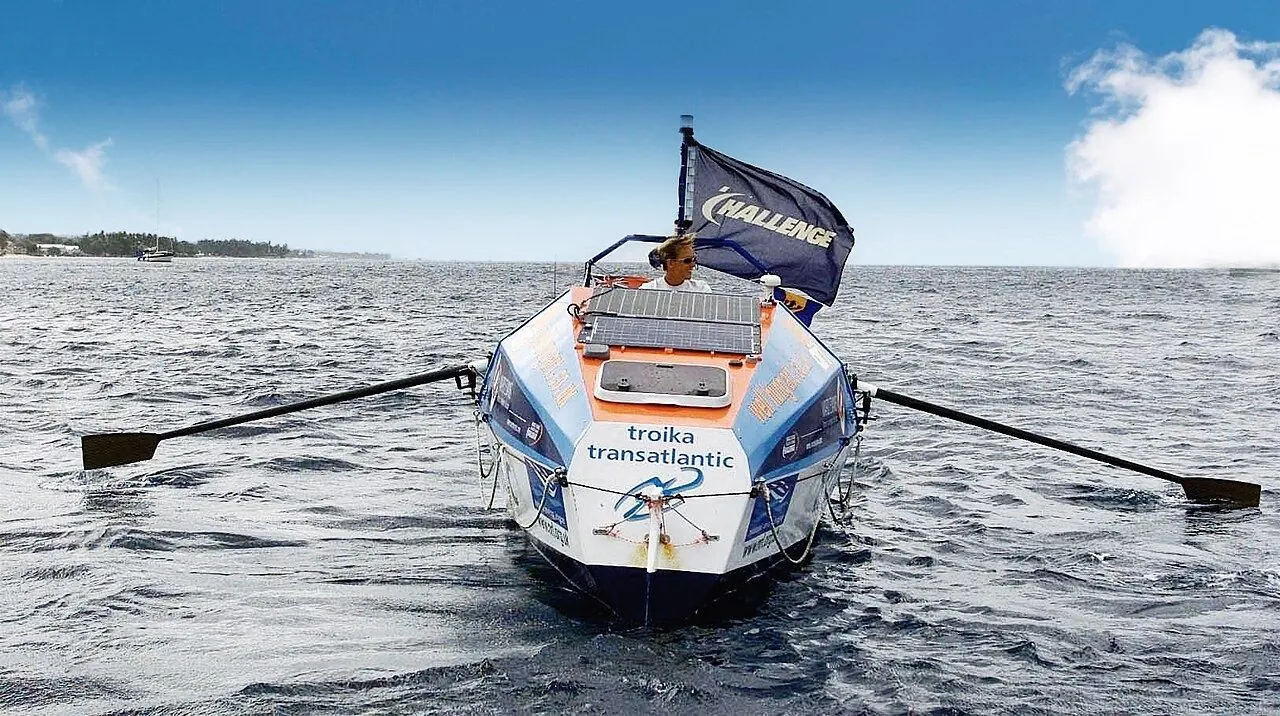
Rowing across the Atlantic on the classic east-to-west route takes most crews between one and two months, and some take far longer: one race organiser puts the range at 30 to 80 days, depending on weather and crew size. The fastest fours have finished in under 30 days, while some solo rowers have spent more than 90 days at sea.
The standard route and why it is used
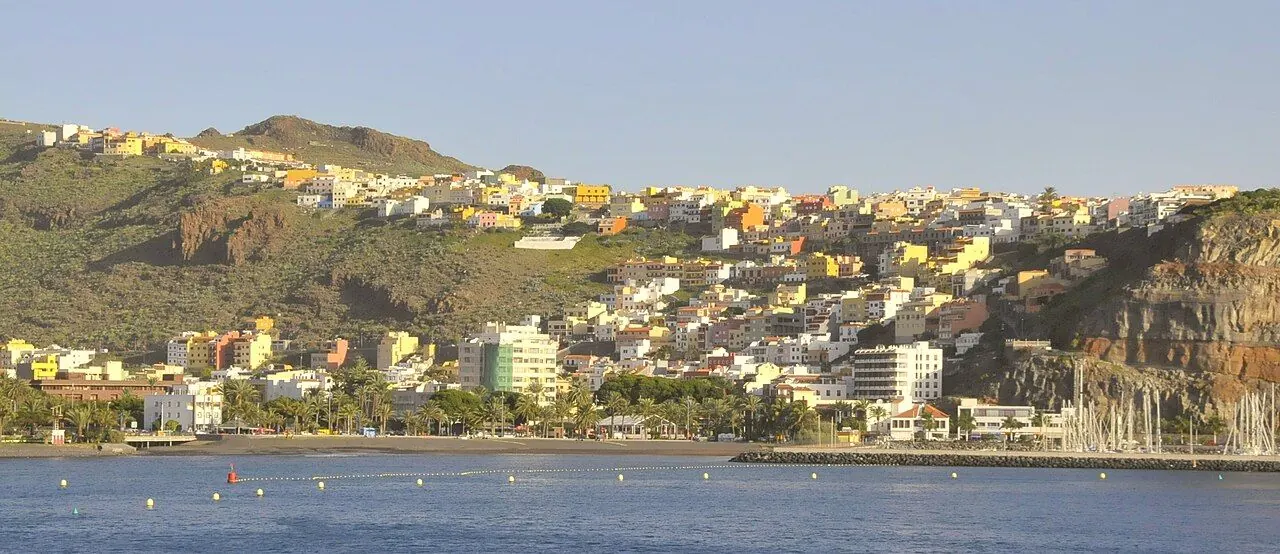
The most popular Atlantic rowing route runs from the Canary Islands in the east to an island in the Caribbean, typically Antigua or Barbados, in the west. The best-known race starts from San Sebastián de La Gomera and finishes at Nelson's Dockyard in Antigua, a passage its organiser gives as about 3,000 miles; the first race, in 1997, started from Tenerife and finished in Barbados, also about 3,000 miles away. Another event sets off from Lanzarote and finishes at Jolly Harbour, Antigua.
This route takes advantage of the trade winds, which blow steadily from the north-east and east across the tropical Atlantic and push a westbound boat along. It also ends in a warm destination with harbours used to welcoming rowing crews. The main race starts in early December each year.
How long different crews take
The fastest times in the La Gomera to Antigua race give a sense of what is possible, though most crews are far slower. At the time of writing, the organiser lists these as the quickest crossings by crew size:
| Crew | Fastest recorded crossing |
|---|---|
| Solo | about 30 days (30 days, 7 hours, 49 minutes) |
| Pair | about 33 days (32 days, 22 hours, 13 minutes) |
| Four | about 29 and a half days |
At the other end of the scale, the same organiser describes a solo rower who arrived in Antigua after 96 days. A common way of rowing is two hours on and two hours off, 24 hours a day, although crews can choose shorter or longer shifts. In a four, two people can row while two rest, so the boat keeps moving around the clock; a solo rower has to stop to sleep, and the boat drifts while they do.
Among the key factors shaping passage time are the wind and the weather. Steady trade winds and following seas help; headwinds, long calms or storms can hold a boat almost still for days. Boat design matters too: the organiser keeps separate records for different types of ocean rowing boat.
The harder west-to-east crossing
The other direction runs from North America to the British Isles or mainland Europe. Instead of the trade winds, it relies on the prevailing westerlies of the North Atlantic, which means colder water, rougher weather and a far less forgiving passage.
It is also the oldest ocean row of all. According to Guinness World Records, George Harbo and Frank Samuelsen rowed an 18ft (5.48m) boat without sails from New York to the Isles of Scilly in 1896, a 5,262km (3,270-mile) journey that took 55 days.
For anyone planning a crossing or following a crew, the practical rule is to think in terms of one to two months on the trade-wind route, to allow longer for a solo boat or a slow year, and to check the organiser's own figures for the event in question.