Atlantic Rowing Campaign Costs
The boat, the entry fee, the certificates and the shipping each come with their own bill, and every one needs a current quote.

Rowing the Atlantic isn't one fixed cost: a campaign is a stack of separate bills for the boat, the race entry, safety kit, training, shipping, flights and insurance, and the entry fee and boat alone run well into five figures. Every figure changes, so each one has to be checked with the organiser or supplier before money is committed.
The boat and the race entry
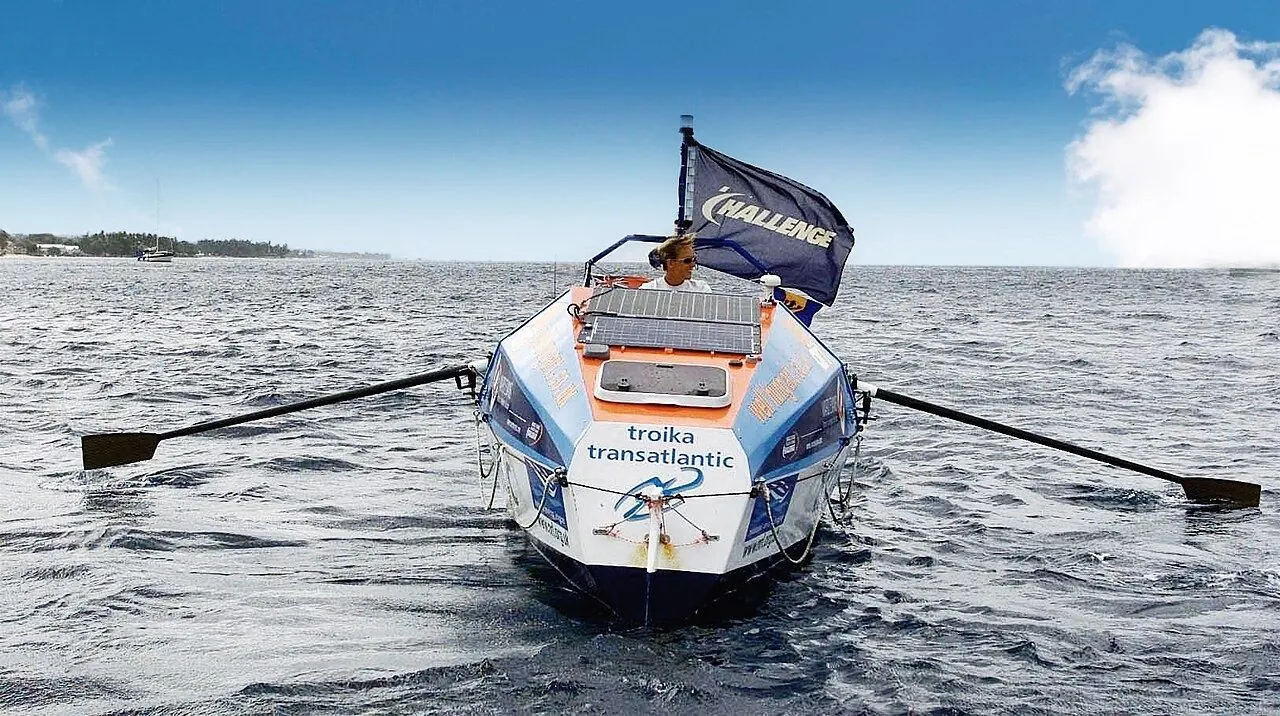
The boat is usually the biggest single item. Crews buy new, buy second-hand from a previous crew, or talk to builders about what is available for a particular race. At the time of writing, the second-hand ocean rowing boats listed on the Ocean Rowing Society's sales page ranged from about €24,000 to about US$75,000, depending on size, age and design.
Organisers have their own entry fees. At the time of writing, the Atlantic Dash from Lanzarote to Antigua charged £14,000 per boat plus £1,000 per rower, so £15,000 for a solo entry and £18,000 for a four; the organiser of the La Gomera to Antigua race asks crews to contact it directly for entry details. Treat any published figure as a starting point and ask the organiser for the current fee sheet and what the entry includes.
Training, safety and logistics
The costs begin with the mandatory certificates that crews must hold before the start. A UK training centre that prepares ocean rowers lists them as RYA Sea Survival, RYA First Aid, the Marine Short Range Certificate (SRC) for VHF radio, and RYA Essential Navigation and Seamanship. Course prices differ from centre to centre, and the SRC carries an RYA exam fee on top of the course price, so compare several providers and check what each quote includes.
Boat fees, shipping, travel, insurance and communications sit on top of those initial costs. The boat has to be shipped to the start and brought home from the Caribbean, every rower needs flights, and the campaign needs insurance, safety equipment, satellite phone and tracking airtime, and weeks of expedition food. These are quoted separately by each provider and vary too much to tabulate honestly here.
How crews pay for it
Crews usually look for sponsors to cover the campaign, and many also row to raise money for charity. Finding the money is largely the crew's own job: one organiser notes that it does not find sponsors for entrants, but gives them tools to help approach potential supporters.
The safest way to build a budget is to take the organiser's current entry fee, add the boat, then add training and exam fees, shipping, flights, insurance, communications and food, each from a written quote. Treat the total as a formal project budget rather than a single headline price.